TL;DR
The Facebook video ad examples below tend to share one trait: the first three seconds answer a question the viewer already has. We broke down 12 ads (7 Meta case studies with published lift results and 5 live Ad Library ads checked on November 5, 2026) by hook, promise and ask. Each one also names the check a human should run before an ad like it goes live.
A Facebook video ad usually works when the opening frame answers a question the viewer already has, such as "is this for me?" or "what do I get?" The twelve video ad examples below are broken down by that rule. If you build video with AdAdvisor, Luna, the video specialist on the Nova plan, cuts short captioned videos for each placement, and every clip waits for your approval before it runs.
The Three-Second Question
Pause a Facebook video ad at second three with the sound off. Could a stranger name what is being sold and the problem or desire it answers? If not, the opening is the first thing to fix and test against hold rate. It is a diagnostic, not a guarantee.
How we picked these Facebook video ad examples
Every example names its source.
- Meta for Business case studies (7 examples). Each is a single-brand, advertiser-selected lift study measured by Meta, which sells the ads, so read it as what worked for that brand, not an average. Recall and favourability lifts are percentage-point changes, and Meta doesn't publish spend or confidence intervals.
- Live Meta Ad Library ads (5 examples, 6 videos). Opened by Library ID on November 5, 2026 and confirmed active on Facebook. Ads rotate, so some may have stopped.
These examples of Facebook video ads exclude dropshipping and Instagram-only ads. "What we observed" comes from the source; the check and the adaptation are our read, from a team with more than 8 years in media buying, over $60M in managed ad spend and an ex-Meta engineer.

Drowning in Meta Ads?
Put your campaign on autopilot with Nova.
Read moreFacebook video ad examples at a glance
| # | Brand | Format | Placement | Opening (0 to 3 seconds) | Ask |
|---|---|---|---|---|---|
| 1 | UKTV | Trailer plus self-shot clips | FB and IG Feed, Stories, Reels | "Not your average detective" | Learn more |
| 2 | Orange France | Creator POV partnership ads | FB and IG Feed, Stories, Reels | Everyday moments on Ray-Ban Meta glasses | Buy from Orange |
| 3 | LG Electronics | Creator partnership video | FB and IG Reels, Stories, Feed | Creators the audience follows | Try the music station |
| 4 | The Dodo with HelloFresh | 6-second 4:5 partnership ad | Facebook, Instagram, Threads | "10 FREE MEALS" | Get Offer |
| 5 | Renault MAIS | Video and in-stream video | FB and IG, incl. in-stream | Renault logo in a vintage street scene | Enquire or chat |
| 6 | ROBINMAY | Reels from raw assets | Advantage+ placements | Product in the first three seconds | Learn more |
| 7 | ANASIRI | 9:16 brand Reels | Advantage+ placements | Family-focused amenities | Brand recall |
| 8 | HelloFresh | Two 42-second hooks, one offer | Facebook, Instagram, Threads | Myth-busting text | Get Started |
| 9 | Color Wow | 48-second creator demo | Facebook, Instagram, Threads | "POV: your hair won't hold a curl" | Shop now |
| 10 | XFactor Mobile Pro Shop | Carousel with a video card | Facebook and Messenger | Abstract motion graphic | Book Now |
| 11 | Sephora | 9-second video, multiple versions | Facebook and Instagram | "EVERYTHING ON SALE" | Shop Now |
| 12 | Eurocamp | TV burst, then sequenced Reels | FB and IG Reels | Episodic vertical story | Book now |
Facebook Feed video ad examples
Feed video works best when the opening reads at a glance. Meta's Ads Guide recommends 4:5 video at 1440 x 1800 for Facebook Feed, with captions and sound "optional, but recommended" (Meta Ads Guide). Four of these five also ran in Stories or Reels.
1. UKTV: a trailer plus self-shot reminders
- What we observed: In the Facebook Feed version shown in Meta's case study, the video opens on book spines reading "Not your average detective" for the new series Bookish, paired with "intentionally simpler" self-shot clips of actors talking to camera (Meta case study).
- Published result: Meta's Brand Lift test (July 6 to 30, 2025) reported a 33-point lift in ad recall, a 6.2-point lift in brand awareness and a 14.5-point lift in intent to watch.
- Check before launch: Channel and date claims should match what viewers can access in every region the ad runs.
- What to adapt: A cheap direct-to-camera clip beside the trailer gives delivery two very different creatives.
2. Orange France: everyday footage for a tech product
- What we observed: Creators filmed point-of-view footage on Ray-Ban Meta glasses during a camping trip, a city walk and a picnic. The brief was to "make the extraordinary ordinary" (Meta case study).
- Published result: For July 8 to 31, 2026, Meta reported an 11.7-point lift in ad recall, a 7% lift in add-to-cart actions on Orange.fr and 88% incremental Ray-Ban Meta add-to-carts.
- Check before launch: Creator usage rights and partnership ad permissions are confirmed.
- What to adapt: When the objection is "that's not for people like me", show relatable people using the product.
3. LG Electronics: creators layered on brand assets
- What we observed: Entertainment creators popular with younger Korean audiences introduced Radio Optimism, an AI music station that wrote personalised songs. The creator videos ran as partnership ads beside LG's usual brand videos (Meta case study).
- Published result: For July 22 to September 14, 2025, Meta reported a 7.1-point lift in brand favourability, a 5.2-point lift in top-of-mind awareness and 32x return on ad spend measured on items added to cart. That is a mid-funnel proxy, not purchase ROAS.
- Check before launch: The feature works for a new user the way the creators show it.
- What to adapt: Add creator voices next to brand assets, not instead of them.
4. The Dodo with HelloFresh: a 6-second offer-first cut
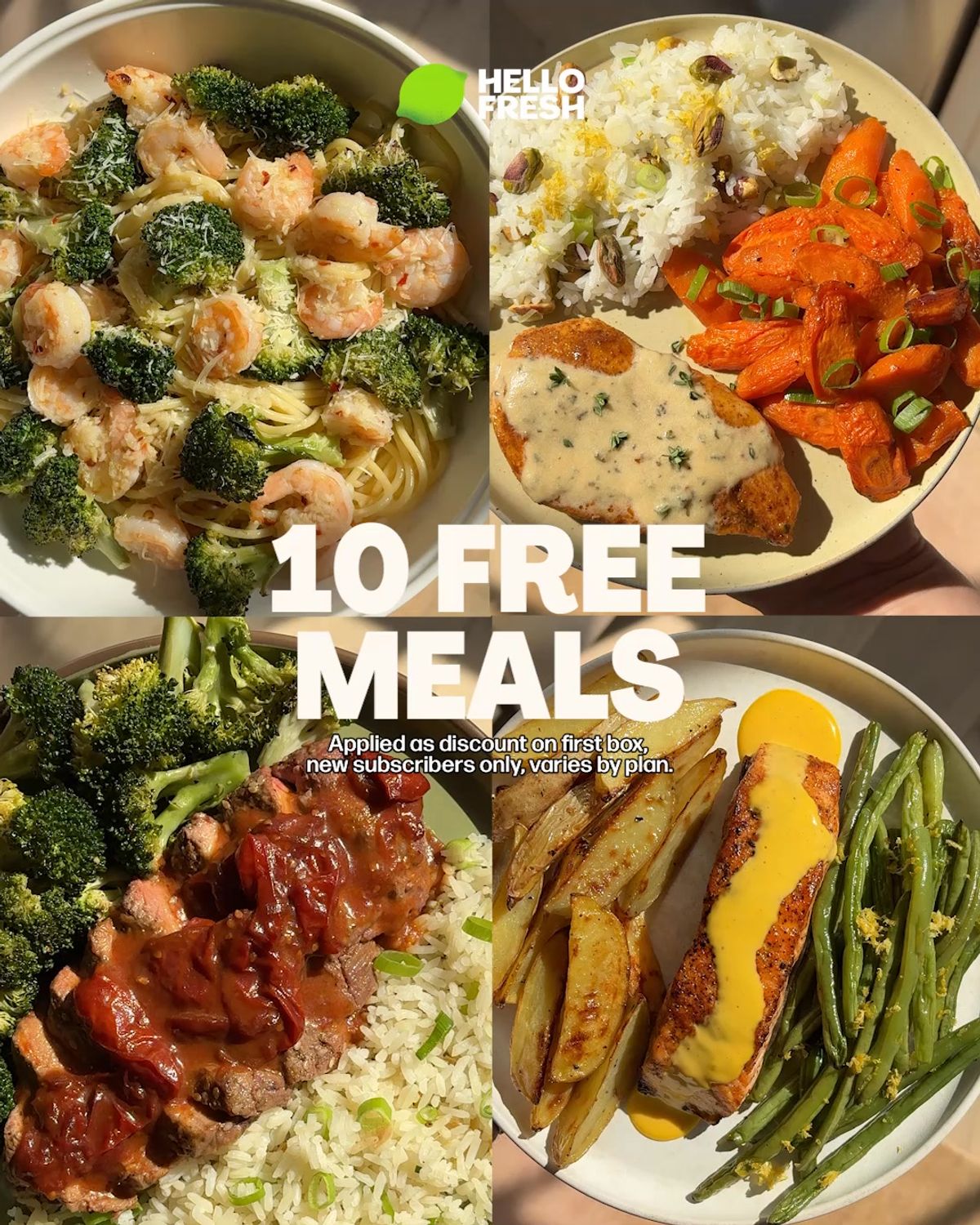
- What we observed: The first frame is the offer, "10 FREE MEALS", over four plated dishes, with small terms text: a six-second 4:5 partnership ad from The Dodo, started October 21, 2026 (Ad Library).
- Check before launch: The terms line has to stay legible at phone size and match the offer terms on the landing page.
- What to adapt: When the offer is the reason to click, put it on screen at second zero. Meta notes that videos of 15 seconds or less are more likely to be finished (Meta).
5. Renault MAIS: video measured by search
- What we observed: The case study's example video shows the Renault logo over a vintage street scene within the first second. Messaging was matched to the model each audience had viewed (Meta case study).
- Published result: A conversion lift test with search lift methodology (October 4 to 31, 2025) credited the ads with 288,000 incremental organic search conversions and 10,500 incremental paid search conversions, alongside a 5.7-point lift in ad recall.
- Check before launch: Each segment gets the video for the model it viewed, and the measurement plan is set before spend.
- What to adapt: Judged on clicks alone, video may look weak while it sends people to search for you.
Reels and vertical video ad examples on Facebook
Reels video tends to work when it is built for full-screen 9:16. Meta's case studies repeat the same essentials: sound on, text inside the safe zone, and the most compelling information in the first three seconds. Safe zones and full specs are in our Facebook Reels ads guide.
6. ROBINMAY: Reels built from raw creative assets
- What we observed: Meta advised the Taiwanese handbag brand to build Reels from its raw creative assets, following the Reels essentials. Every ad featured its bags, with a Learn more button (Meta case study).
- Published result: In an A/B test (July 25 to August 8, 2025), adding these Reels to its usual Advantage+ sales campaign of photo ads showed a 38% lower cost per purchase, 1.6x the return on ad spend and a 20% lower cost per add to cart.
- Check before launch: The product stays visible under the Reels caption and buttons, and test cells differ only in creative.
- What to adapt: Recutting existing assets into 9:16 is a reasonable first test before you shoot anything new.
7. ANASIRI: storytelling instead of "book a viewing"
- What we observed: The Thai property developer led with amenities for health, family and connection, putting the most compelling information in the first three seconds, aiming for awareness rather than a viewing request (Meta case study).
- Published result: A Meta lift study (March 16 to 30, 2026) reported a 5.4-point lift in standard ad recall and a 2.7-point lift in message recall.
- Check before launch: Every amenity shown should exist at the advertised property.
- What to adapt: Where every ad asks for a booking, try one that asks for nothing yet.
8. HelloFresh: two hooks, one offer
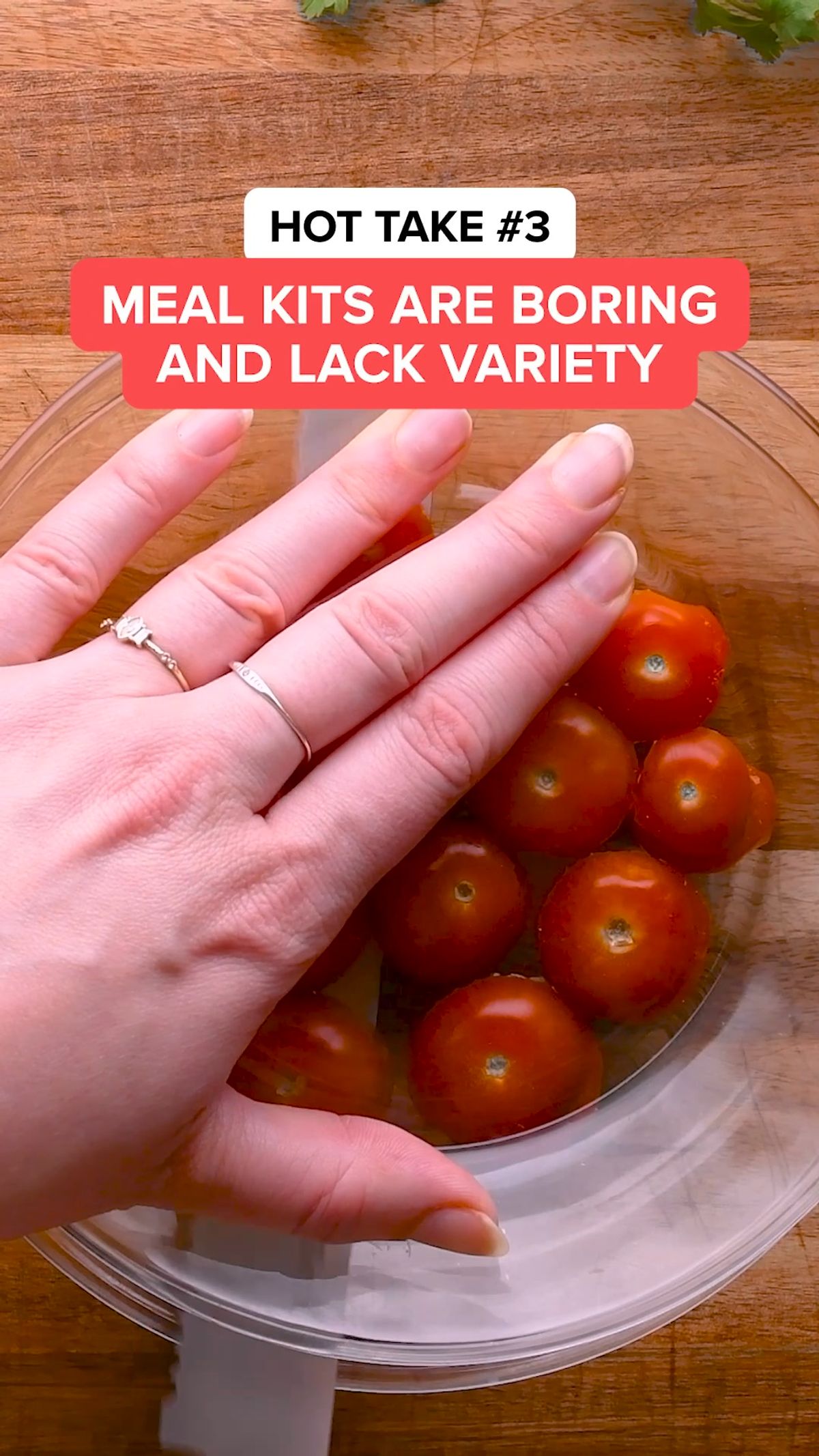
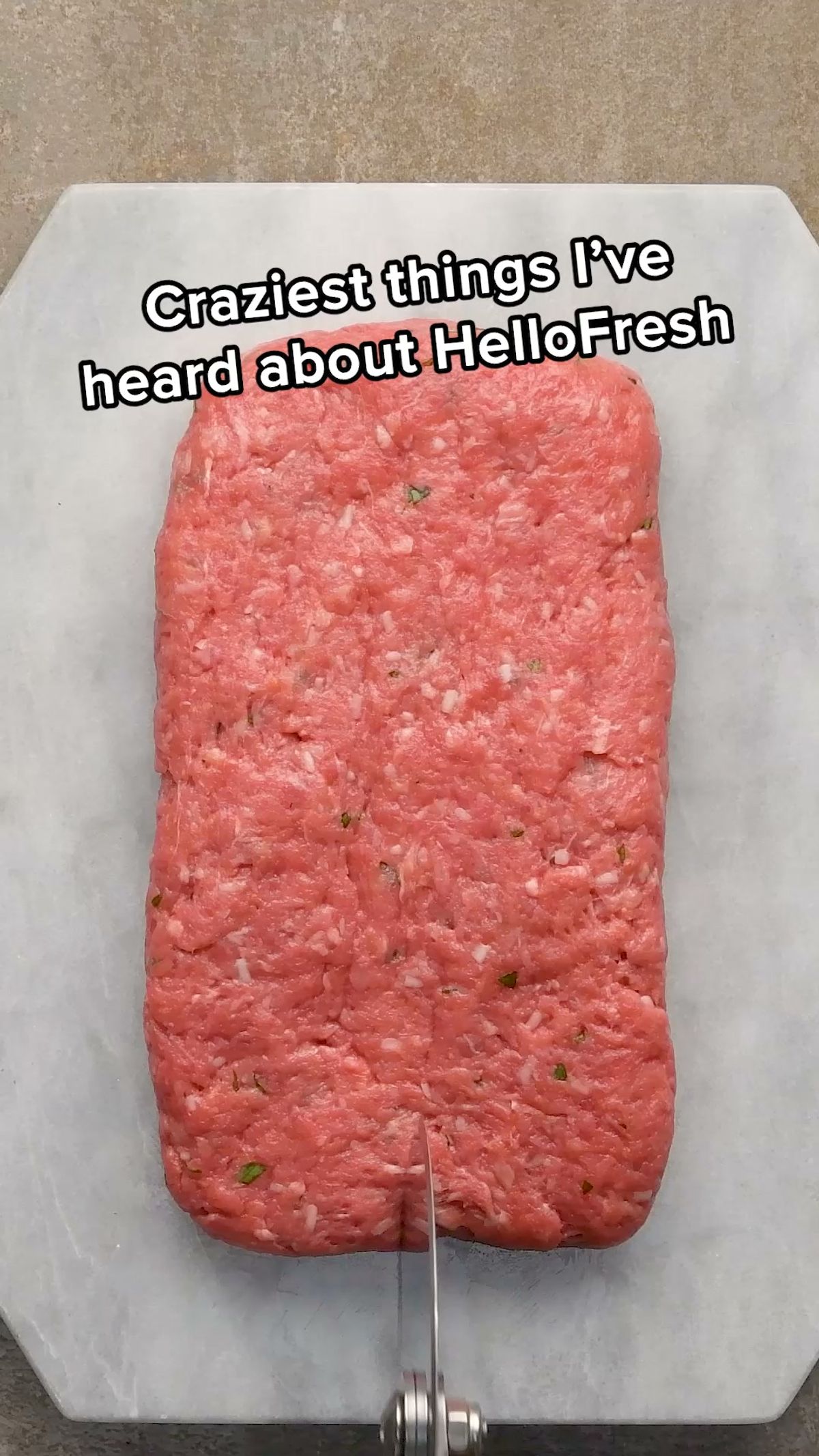
- What we observed: One video opens on "HOT TAKE #3: MEAL KITS ARE BORING AND LACK VARIETY" (ID 1843734150135275), the other on "Craziest things I've heard about HelloFresh" (ID 1634727364725995). Both carry the same offer and Get Started button and started October 22, 2026.
- Check before launch: Only the hook should differ between versions, and each version's promo code should work.
- What to adapt: Hold the offer constant and change only the hook, as in our AI creative testing system.
9. Color Wow: the problem first, the demo after
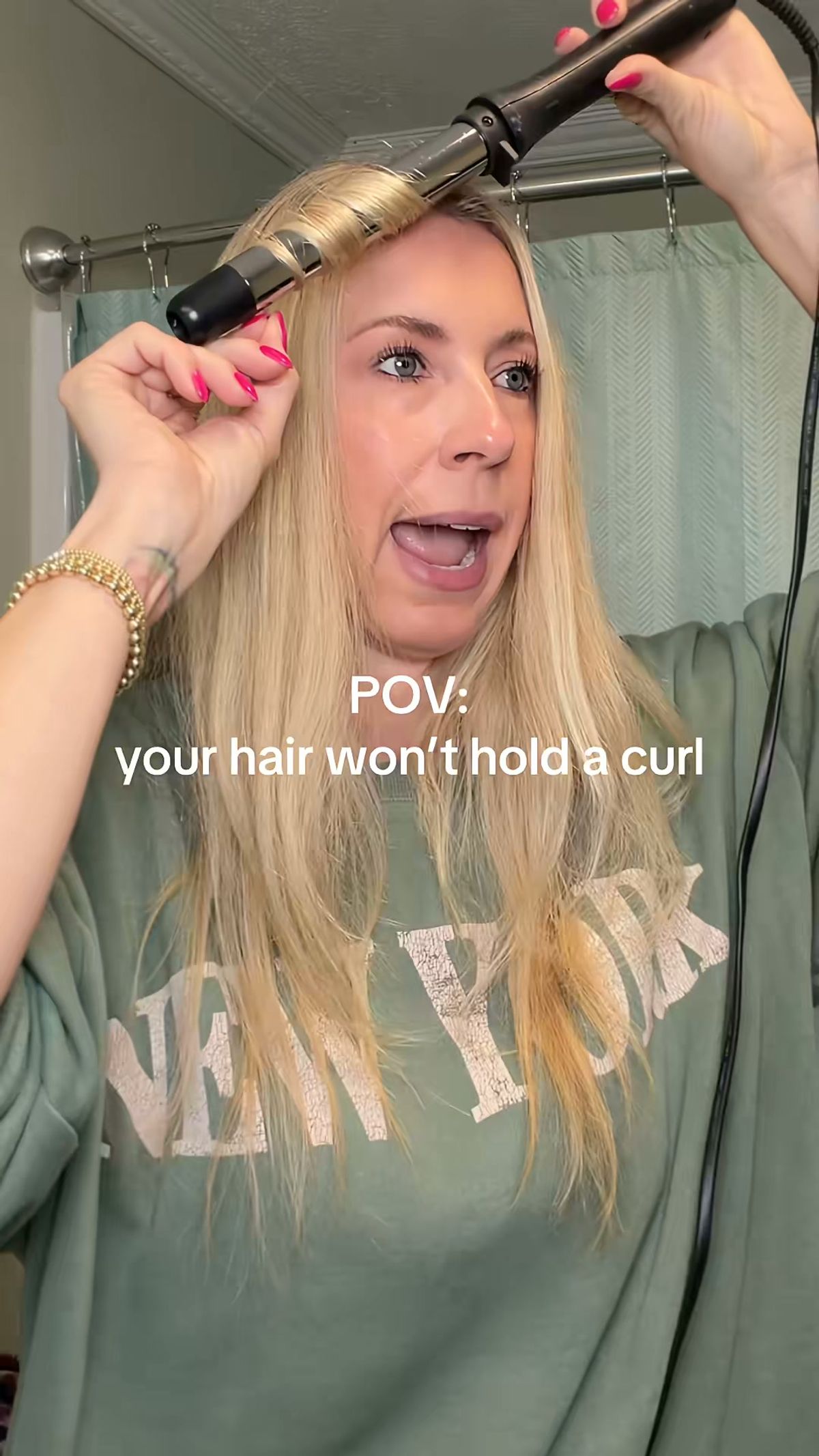
- What we observed: A creator with a curling iron under the caption "POV: your hair won't hold a curl", then a 48-second demo promising "flat to full in seconds". Shop now sends people to Sephora.com, not Color Wow's own site (Ad Library).
- Check before launch: The demo doesn't overstate "in seconds", and the product is in stock at the retailer the button points to.
- What to adapt: Worth testing: name the exact frustration in the opening caption and compare completion rate against a product-first open.
Carousel, multi-version and sequenced video ad examples
In our small U.S. sample, video inside a carousel was rare. On November 5, 2026 we searched the Ad Library (United States, active ads, all media, default sort) for ten brand terms: HelloFresh, IKEA, Lululemon, Airbnb, Chewy, Warby Parker, Liquid Death, Target, Walmart and Best Buy. Of 281 ads returned, 7 were carousels, 1 had a video card, and none was identifiable as a Collection ad. It is a small convenience sample, so we cover the structures we did find: a video carousel, a multi-version ad and a sequenced story.
10. XFactor Mobile Pro Shop: a video card leading a carousel

- What we observed: An 11-second video card opening on an abstract red-and-blue graphic, followed by a logo card and a photo of the mobile pro shop truck. Every card repeats one headline and Book Now. It runs on Facebook and Messenger only, active since July 11, 2025 (Ad Library).
- Check before launch: Read the cards in order and ask whether card one alone explains the offer.
- What to adapt: Worth testing: open on the truck and give each card its own headline, then compare click-through by card.
11. Sephora: one ad, several versions
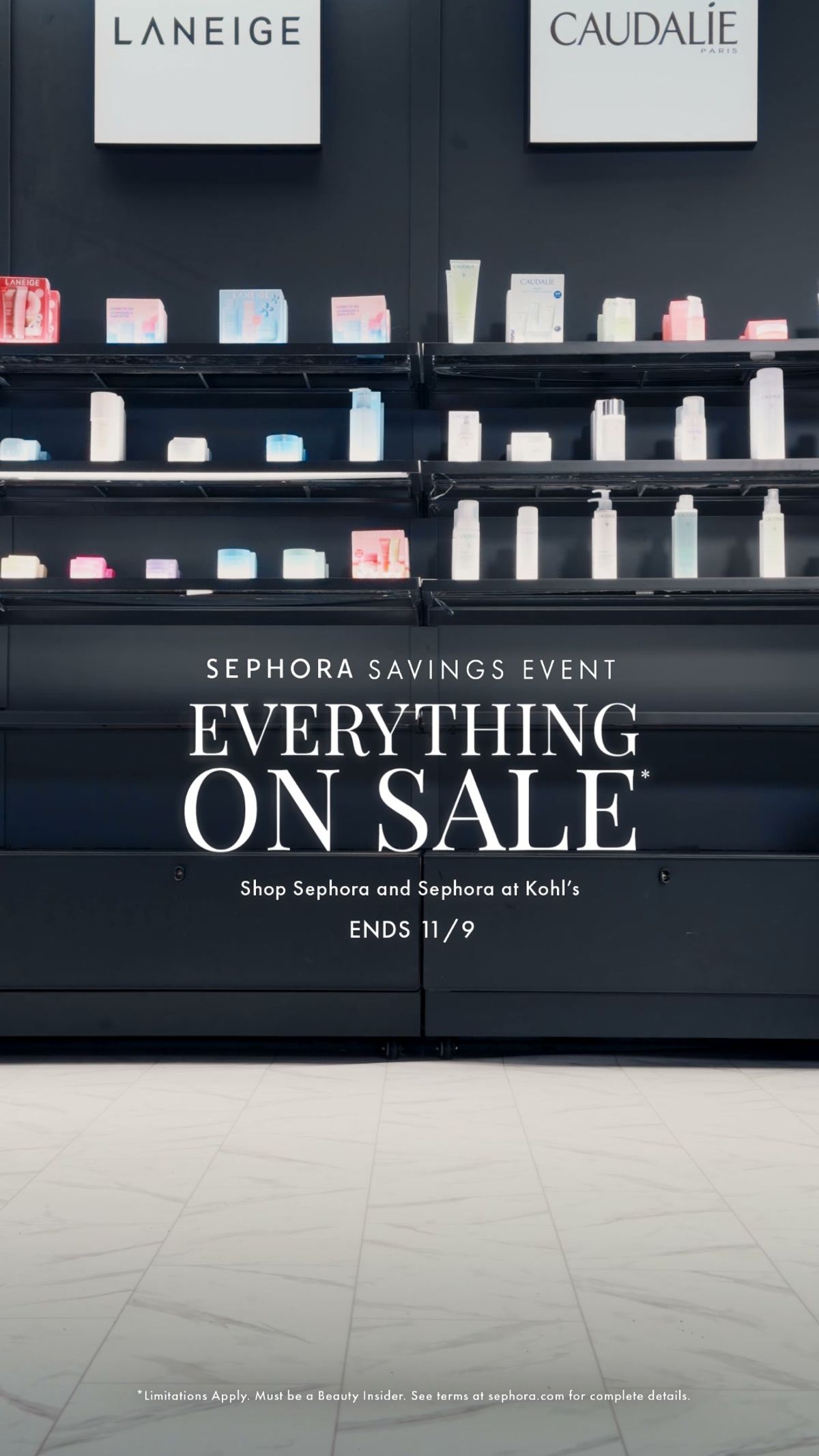
- What we observed: A 9-second vertical video opening on "EVERYTHING ON SALE" over a store shelf, under the copy "We're not saying 'run'...but RUN." Flagged as multiple versions, so Meta can serve different combinations; started October 30, 2026 (Ad Library).
- Check before launch: Every combination should read correctly, and the ad needs a stop date that matches the end of the sale.
- What to adapt: For a time-boxed sale, the offer is the hook.
12. Eurocamp: a TV spot burst, then a story in order
- What we observed: Eurocamp ran its TV ad across every Meta video product in a multi-day burst, then told an episodic story in 9:16 Reels with ad sequencing, audio on and Book now on every ad (Meta case study).
- Published result: Lift tests for December 26, 2025 to February 28, 2026 reported a 37.5-point lift in ad recall, an 18.6-point lift in favourability and 5.14x return on ad spend for purchases.
- Check before launch: Each episode should still make sense to someone who only sees that one.
- What to adapt: If one short video can't carry the story, try ordered episodes.
What the twelve Facebook video ads have in common
- The first frame carries words. Five of the six live videos open on readable text; the XFactor carousel is the exception.
- Vertical is the default. Four of the six live videos were 9:16 and one was 4:5; the only landscape video sat inside the XFactor carousel.
- People on camera carry a lot. UKTV, Orange France, LG and Color Wow rely on talent or creators.
- The offer stays fixed while the hook changes. HelloFresh tested two objections against one identical offer.
- Wins were Meta-measured, not last-click. The case studies used Brand Lift, Conversion Lift (with search lift methodology for Renault MAIS) or an A/B test.
What a human checks before a video ad goes live
These six apply to any Facebook video ad. Broader rules are in our Facebook ads best practices guide.
- Apply the Three-Second Question with the sound off.
- Check every crop. Feed crops a 9:16 video and the Reels interface covers the top and bottom, so check each placement preview.
- Read the captions. Auto-captions often misspell brand and product names.
- Match the claim to the landing page, including price, code and terms.
- Know how AI use is labelled. Meta adds an "AI info" label when an ad was made or significantly edited with some of its generative AI tools, or carries third-party AI metadata such as C2PA. Political and social issue ads have separate disclosure rules in certain cases (Meta). See our guide to AI-generated ads.
- Check what the objective hides. With an awareness objective, the headline, description and button aren't shown on Facebook Feed on mobile, so the ask has to be in the video (Meta Ads Guide).
How these get built: scripting, variants, review
Most of these ads follow one path: an angle (the objection the hook answers), variants sized for each placement, then a human review. For the script itself, see our guide to Meta video ad scripts.
Where does Luna fit?
Luna is the video specialist on AdAdvisor's Nova plan, and she covers the variants step. She turns a brief from Nova, the AI media buyer, or from you in chat into short ad videos from your product photos and brand voice, captioned and cut for the placement: 9:16 for Reels and Stories, 4:5 for Feed. In AdAdvisor's own demo, Luna cuts a 15-second spot from a brand's existing UGC footage.
The review stays with a person: every clip lands in the Creatives Hub, and in Copilot mode nothing launches until you approve it. None of the twelve examples above were made with Luna.
Frequently asked questions
Facebook video ad FAQ
Summary
The Facebook video ad examples that hold up in 2026 tend to answer the viewer's question within three seconds, read on mute and ask for one thing. Across these 12 ads, the opening mattered more than length, and published wins were measured with lift tests. For your own Facebook video ad ideas, run the Three-Second Question and the pre-launch checks before spend, which likely saves more than another round of edits.
Sources
All pages accessed November 5, 2026.
- Meta for Business, "UKTV: Facebook ads case study"
- Meta for Business, "Orange France: Facebook ads case study"
- Meta for Business, "LG Electronics: Facebook ads case study"
- Meta for Business, "Renault MAIS: Facebook ads case study"
- Meta for Business, "ROBINMAY: Facebook ads case study"
- Meta for Business, "ANASIRI: Facebook ads case study"
- Meta for Business, "Eurocamp: Facebook ads case study"
- Meta, "Video ad tips from Meta"
- Meta Ads Guide, "Video ad specs on Facebook Feed"
- Meta Business Help Centre, "About AI info on ads created or edited with generative AI tools"
- Meta Ad Library, The Dodo with HelloFresh, ID 4183102178519968
- Meta Ad Library, HelloFresh, ID 1843734150135275
- Meta Ad Library, HelloFresh, ID 1634727364725995
- Meta Ad Library, Color Wow, ID 2922268148142001
- Meta Ad Library, XFactor Mobile Pro Shop, ID 1940906469990734
- Meta Ad Library, Sephora, ID 996952453463298
Related reading
Performance Optimization
Facebook Ads Best Practices: The 2026 Expert Playbook
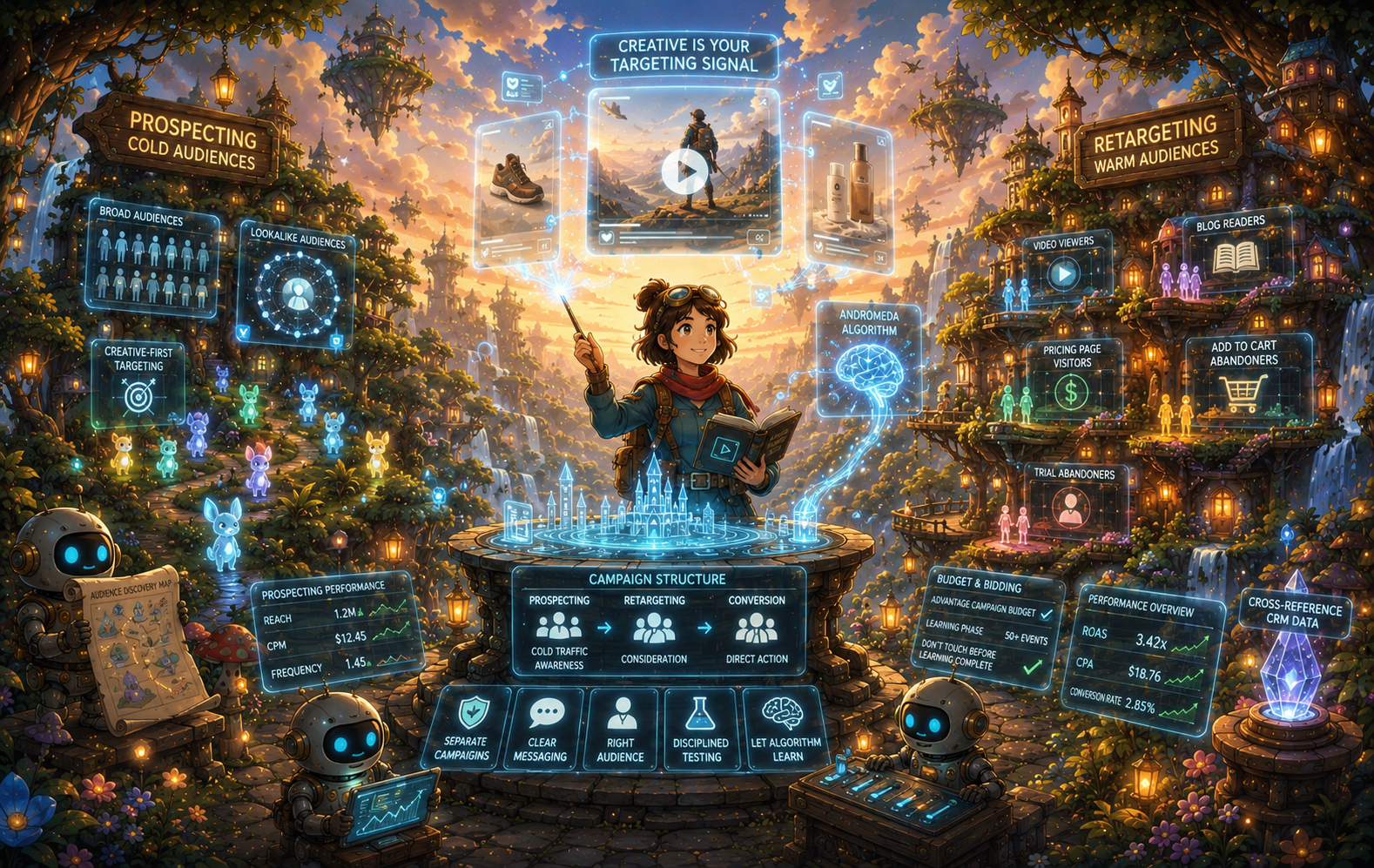
The best practices for Facebook ads in 2026 come down to three shifts: let creative do the targeting work (Meta's Andromeda algorithm reads your ad to find the right audience), build separate campaigns for cold versus warm traffic, and stop resetting the learning phase with premature changes. The fundamentals (specific creative, segmented retargeting, disciplined testing) haven't changed. How the algorithm uses them has.
Read more
Creative & Content
Instagram Ad Examples: 10 Real Ads Broken Down (2026)
10 real Instagram ad examples captured from the Meta Ad Library on October 29, 2026, across Feed, carousel, Story, Reels and partnership formats, each scored with the 4S Check and a test idea.
Read more
Creative & Content
Dropshipping Facebook Ad Examples (+ Video Ads That Work)
What a winning dropshipping Facebook ad looks like in 2026: the 6-beat anatomy, the Proof Burden rule, six annotated video and static examples, winners vs flops, Meta policy limits, and a production loop for constant new creative.
Read more
Creative & Content
AI-Generated Ads: Examples, How They Work, and Do They Perform? (2026)
Real AI-generated ad examples, what 2026 research says about whether they perform, the disclosure rules, and the AI Creative Ladder for deciding how much of an ad AI should make.
Read more
Creative & Content
Facebook Reels Ads: Setup, Specs, and Best Practices (2026)
How to run Facebook and Instagram Reels ads in 2026: placement setup, video specs, creative rules that fit the format, and how to tell if Reels is working for you.
Read more
Creative & Content
Meta Video Ad Scripts: How to Stop the Scroll in 3 Seconds
Most Meta video ads lose viewers in the first three seconds. Here's how to write a script that hooks attention fast and drives action, plus a free AI script generator.
Read more
Strategy & Planning
Types of Facebook Ads: Formats and Objectives (2026)
Ad format and campaign objective are two different choices. Here are the Facebook ad types advertisers actually see in 2026, which formats each of Meta's six objectives allows, and how to pick.
Read more
Creative & Content
AI Creative Testing for Meta Ads: How to Build the System (2026)
A creative testing system for Meta ads is a loop, not a launch: one treatment per test, predefined evidence requirements, a rubric fixed before launch, and a ledger that feeds the next batch. AI handles the volume and the reading. You approve.
Read more